Summary
Renting a roll-off dumpster makes a cleanout, renovation, or yard project easier — but only if you know what you’re allowed to load. One of the most common questions about a roll-off rental is what’s fair game and what needs to stay out. The short answer: most everyday junk, construction debris, and yard waste is fine. Hazardous materials, certain appliances, tires, and a handful of other items are not — and tossing them in anyway can trigger overage charges or a refused pickup. This guide walks through both sides of the list, then shows you how to avoid surprises on your next Bay County dumpster rental. When you’re not sure about a specific item, call us before you load it.
What’s on This Page
- The Short Version
- What You Can Throw In
- What You Can’t Throw In
- Why These Rules Exist
- How to Avoid Surprises
- Choosing the Right Size
- Key Points
- FAQs
The Short Version: What Belongs in a Roll-Off
A roll-off dumpster is built for bulky, non-hazardous solid waste — furniture, drywall, flooring, shingles, brush, old fencing, and household clutter all belong inside one. Anything hazardous, liquid, regulated, or flammable doesn’t, because those items have separate handling rules under Florida and federal law. The same goes for a short list of bulky items like tires and refrigerant appliances that need to be diverted to specialized recyclers. The full list is below.
What You Can Throw in a Roll-Off Dumpster
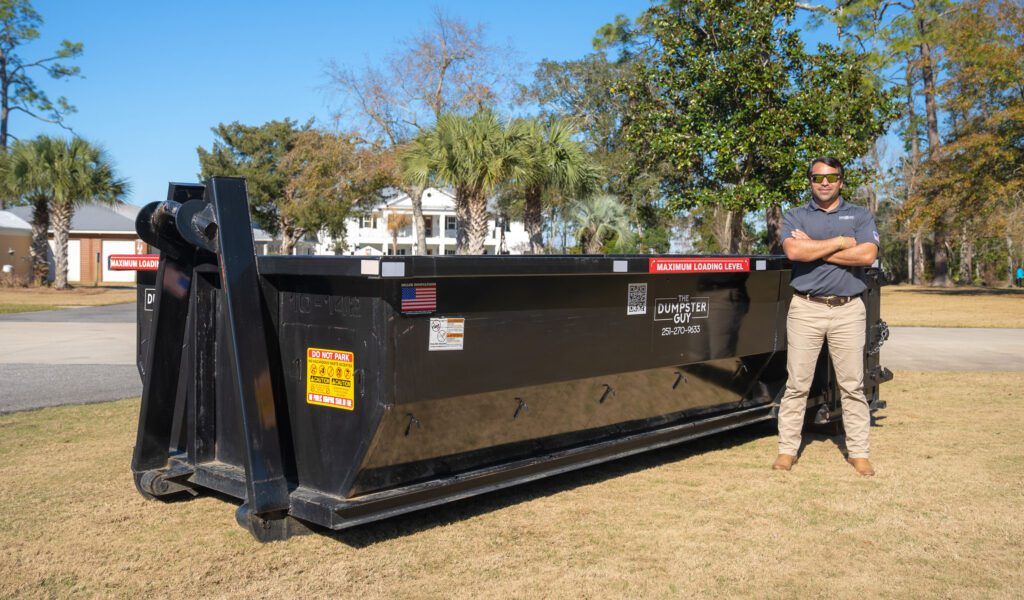
When you book a 10, 15, or 20-yard roll-off, here’s what fits the bill.
Household Junk and Furniture
Couches, mattresses, dressers, tables, chairs, bookshelves, area rugs, lamps, and general household clutter all go in. Cleaning out a garage, attic, or shed? Boxes, bins, tools, kids’ gear, and the years of “we’ll get to that later” all fit.
Construction and Demolition Debris
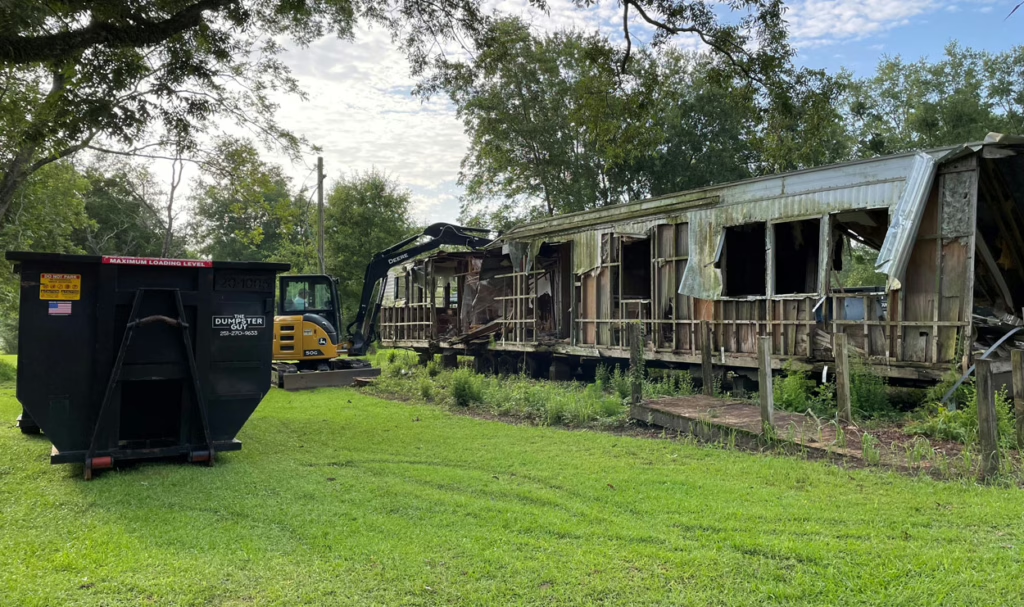
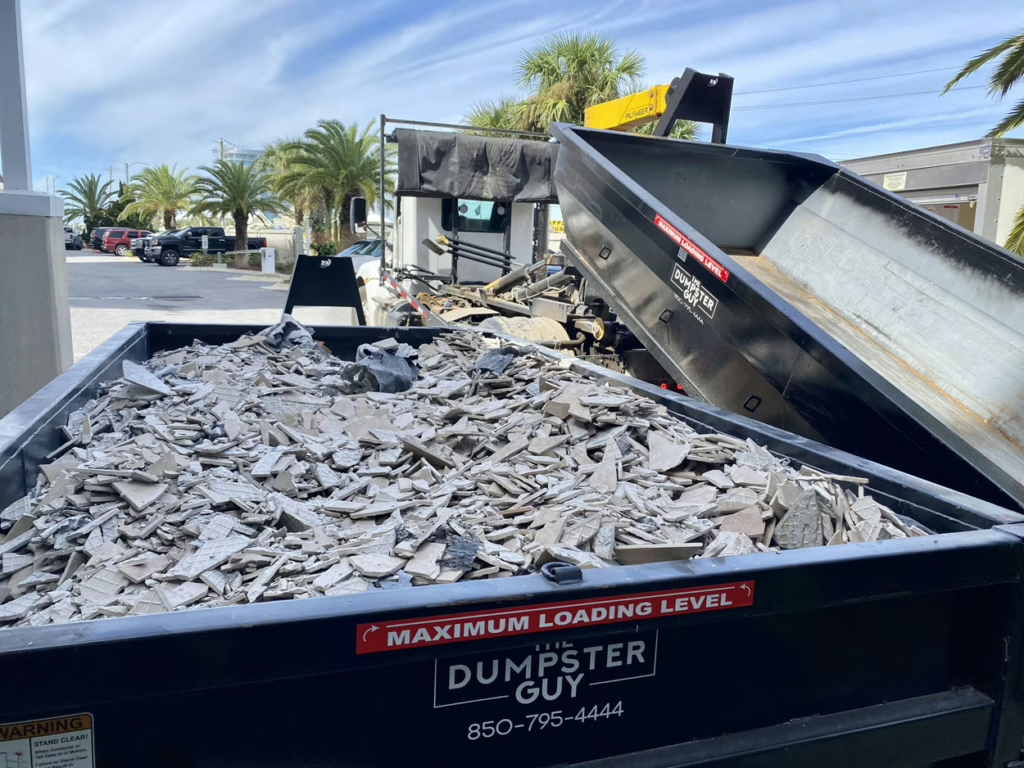
Drywall, lumber, subflooring, trim, doors, cabinets, countertops, ceramic tile, brick, and roofing shingles are all standard roll-off material — exactly what’s needed to keep a renovation job site clear.
Yard Waste
Branches, brush, leaves, palm fronds, shrub trimmings, and pulled root balls are accepted as long as the load isn’t all green waste. (Pure yard-waste-only loads sometimes have separate handling — mention it when you book.) For a major landscaping cleanup or post-storm yard work, this is where a roll-off earns its keep.
Remodeling Debris
Old flooring, carpet, padding, plumbing fixtures, vanities, sinks, and tubs are all fine. Kitchen and bath remodels generate a surprising volume of material — sizing up to a 15- or 20-yard usually pays off.
Bulky Non-Hazardous Items
Dry exercise equipment, plastic storage bins, broken patio furniture, deck boards, and old fencing all qualify. If it’s solid, non-hazardous, and doesn’t contain a battery or refrigerant, it almost always goes in.
What You Can’t Throw in a Roll-Off Dumpster
This is where most surprise fees come from. The items below are prohibited under landfill, EPA, or Florida environmental rules — if they show up in your load at the transfer station, they get pulled out and the disposal cost gets passed back.
Hazardous Chemicals and Liquids
No wet paint, solvents, lacquer, varnish, pesticides, fertilizers, pool chemicals, automotive fluids, motor oil, antifreeze, gasoline, kerosene, or household cleaners. If it’s a liquid that came in a can or jug with a warning label, assume it’s prohibited. Fully dried-out latex paint hardened with kitty litter or paint hardener is typically OK as a solid.
Batteries
Car batteries, marine batteries, lithium-ion batteries (laptops, power tools, phones, e-bikes), and rechargeable batteries are prohibited. Lithium batteries are an active fire risk inside a packed dumpster.
Electronics
TVs, monitors, desktops, laptops, printers, and similar e-waste are regulated separately and can’t go in a roll-off. Florida treats e-waste as its own disposal stream because of materials like lead and mercury in the components.
Tires
Whole tires can’t go to a regular landfill in Florida — they have to be diverted to a tire recycler.
Appliances with Refrigerants
Refrigerators, freezers, air conditioners, dehumidifiers, and water coolers all contain refrigerant that has to be evacuated by a certified technician before disposal. They’re not accepted in a standard load. Once the refrigerant is removed and the appliance is tagged, rules vary — call before you load.
Propane Tanks and Pressurized Containers
Propane tanks, helium tanks, fire extinguishers, and other pressurized vessels — empty or full — are flammable risks and aren’t accepted. Aerosol cans should be fully empty before they go in.
Medical and Biological Waste
Sharps, needles, prescription medication, animal carcasses, and biological waste are prohibited. These require specialized disposal channels.
Asbestos and Other Regulated Materials
Asbestos-containing materials — some older floor tile, popcorn ceiling, pipe insulation, and siding — are regulated under federal and state law and can’t be loaded into a standard dumpster. Older Bay County homes built before the early 1980s are the most likely candidates. If you’re unsure, get the material tested before demolition begins.
Other Prohibited Items
Fluorescent tubes, CFL bulbs, mercury thermometers, and thermostats contain mercury and aren’t accepted. Wet concrete, slurry, and any standing liquid (including unopened bottles of liquid product) are also out. Dry, broken concrete is fine and is one of the most common heavy loads we haul.
Why These Rules Exist
These rules aren’t about us — they’re about what landfills are licensed to accept. Florida regulates hazardous waste, e-waste, tires, and refrigerant appliances under separate disposal streams from ordinary solid waste. Prohibited items pulled at the transfer station cost extra, and that cost gets passed back. Following the list keeps your rental at the flat rate you booked.
How to Avoid Surprises on Your Bay County Rental
The cleanest way to avoid prohibited-item issues is to call before you load anything you’re unsure about. Our flat-rate pricing — $375 for a 10-yard, $425 for a 15-yard, and $475 for a 20-yard — assumes a standard, non-hazardous load. A few habits prevent most issues:
- Sort hazardous items into their own pile before the dumpster shows up
- Pull batteries out of electronics, tools, and old phones before tossing them
- Check older homes for asbestos before any demolition work
- For projects with significant regulated material, ask about our property cleanup and demolition services so the whole job can be handled together
- When in doubt, contact us — a quick question beats a sort-out fee at the landfill
Choosing the Right Dumpster Size
The 10-yard handles small cleanouts, single-room remodels, and roofing tear-offs on smaller homes. The 15-yard is a popular fit for garage cleanouts, mid-size renovations, and yard projects. The 20-yard covers whole-home cleanouts, larger renovations, and post-storm yard cleanup. First-time renter? Our complete guide to how dumpster rentals work in Bay County covers the rest of the process. Ready to book? Order online or call 850-777-3774.
Key Points
- Most household, construction, renovation, and yard debris is welcome in a roll-off
- Hazardous chemicals, batteries, electronics, tires, refrigerant appliances, and pressurized containers are not
- Florida regulates several waste streams separately — landfills can’t accept everything in one load
- Prohibited items trigger sort-out fees that get passed back to the rental
- Sort hazardous items before loading, and call us when in doubt
- Flat-rate pricing: $375 (10-yard), $425 (15-yard), $475 (20-yard)
Frequently Asked Questions
Can I put paint in a roll-off dumpster?
Wet paint, no. Fully dried-out latex paint — hardened with kitty litter or paint hardener — is typically acceptable as a solid in small amounts. Liquid paint and large quantities should be set aside.
Can I throw a refrigerator in a dumpster?
Not without the refrigerant being professionally evacuated and tagged first. The same applies to freezers, air conditioners, and dehumidifiers. Call us before loading any refrigerant appliance.
What happens if I accidentally put a prohibited item in?
Pull it out before pickup if you spot it. If prohibited items reach the transfer station, the landfill charges a sort-out fee that gets passed back to your bill.
Can I put yard waste in a roll-off?
Yes — branches, brush, leaves, palm fronds, and shrub trimmings are all accepted. Mixed loads are fine. Pure green-waste-only loads sometimes have separate handling, so mention it when you book.
Are there weight limits on what I can load?
Yes. Each size has a weight allowance included in the flat rate, and loads that exceed it can trigger an overage based on the landfill’s per-ton rate. Heavy materials like concrete, dirt, and shingles fill that allowance faster than household junk. See our dumpster rental FAQs for more.
What if my project includes regulated materials I can’t handle?
Ask about our property cleanup and demolition services. Some projects are easier when the whole job — debris, hauling, and disposal — gets handled together. Call 850-777-3774 and we’ll walk through it.
How do I book a dumpster in Bay County?
Order online or call 850-777-3774. We deliver across Bay County including Panama City, Panama City Beach, Lynn Haven, Callaway, Parker, Springfield, Mexico Beach, Fountain, Youngstown, and Upper Grand Lagoon.